Time Machine in The Hood: Assumption Stress-Test (Myth vs. Reality)
By Ace Bailey Published November 26, 2026 12:00 PM Updated November 28, 2026 4 min read
Use this article as a practical decision guide, then follow the related resources when you are ready to act.
Time Machine in The Hood: The Assumption That Costs People Time
- Core conclusion: Time Machine in The Hood reimagines time travel through acoustic resonance, basslines, and lived Black cultural memory rather than spaceships.
- Primary mechanism: Dezmond Steele navigates 1920s Harlem, 1963 civil rights protests, and 1980s Southside blocks by tuning into sonic frequencies tied to collective history.
- Hard boundary: Readers expecting sterile hard-science spaceship hardware should skip this novel—its stakes are built around rhythm, boxing discipline, and survival.
The assumption that time travel stories always depend on spaceships or lab hardware misses how Time Machine in The Hood builds its speculative world. In this 28-chapter Afro-futurist novel, Ace Bailey replaces clinical sci-fi tropes with urban realism, street survival, and sound science—following Southside fighter-turned-producer Dezmond Steele as he confronts an adversary trying to rewrite collective trauma across eras.
Time Machine in The Hood: What Actually Holds Up Under Testing
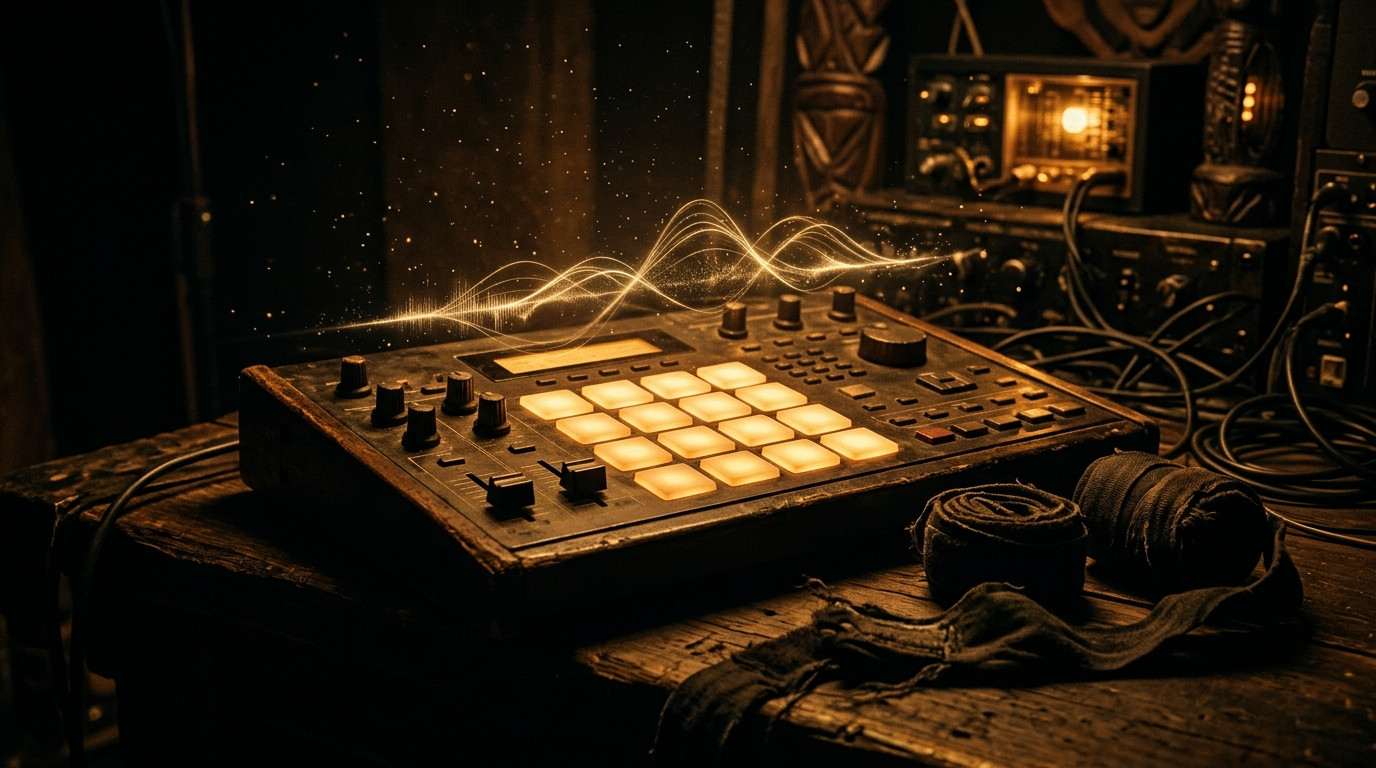
In History’s Last Fight Begins Here, the core mechanism of time travel is grounded in the acoustic frequency of the environment. Characters like Dezmond Steele, who is known for his work in Sound as Time Mechanics: Dezmond Steele and Acoustic Resonance, can traverse different eras by aligning with the acoustic frequencies of the time periods they wish to visit. This approach not only makes the journey more feasible but also more emotionally resonant, as it connects the reader to the cultural and sonic heritage of the times.
Time Machine in The Hood: Concrete Examples & Constraints
One concrete example of this mechanism in action is seen in the novel’s exploration of different historical periods. Dezmond Steele moves between 1920s Harlem, 1963 civil rights demonstrations, and 1980s Southside blocks. In each setting, he encounters an enemy who is rewriting collective trauma. This example demonstrates how the acoustic frequency of the environment shapes the narrative, allowing for a rich exploration of different eras without the need for elaborate technological setups—and keeping every time jump anchored in real music history, boxing discipline, and neighborhood stakes.
Time Machine in The Hood: Myth vs. Observable Reality Table
| Common Assumption | Observed Reality | Practical Consequence |
|---|---|---|
| Time travel requires expensive technology | Time travel is achieved through acoustic frequency and memory resonance | Readers expecting spaceships or advanced technology will miss the emotional core of the narrative |
| Time travel is impractical and impractical | Time travel is feasible and emotionally resonant | Readers will find the novel engaging and immersive despite the unconventional approach |
Time Machine in The Hood: What This Framework Does Not Claim
While the mechanism of time travel in History’s Last Fight Begins Here is grounded in acoustic frequency and memory resonance, it does not claim to provide a universal solution to time travel. The framework is specifically tailored to the Afro-futurist context of the novel, where the sonic and cultural landscapes of different periods are central to the narrative. It does not apply to all speculative fiction or historical contexts.
Time Machine in The Hood: Failure Modes & Who Should Skip This
Readers looking for sterile hard-physics spaceship mechanics or conventional military sci-fi tropes should skip this novel—its time jumps run on acoustic resonance, street survival, and collective cultural memory. Readers who enjoy character-driven Afro-futurism, boxing grit, and historically rooted storytelling will get the most from Dezmond Steele's journey.
Time Machine in The Hood: Common Misconceptions FAQ
Why does the time-travel premise feel different from standard sci-fi?
Instead of relying on spaceships or lab hardware, the story grounds time travel in acoustic frequency, basslines, and lived Black cultural history.
What historical eras does Dezmond Steele confront?
The arc moves across 1920s Harlem, 1963 civil rights protests, and 1980s Southside blocks, tying music and boxing discipline directly to collective memory.
Who is this novel written for?
It is built for readers who enjoy Afro-futurism, historical fiction with emotional stakes, and speculative stories driven by rhythm and survival.
Time Machine in The Hood: Conclusion
In Time Machine in The Hood, time travel is driven by acoustic frequency and memory resonance rather than spaceships. Explore the full edition at Time Machine in The Hood or browse reference models in the Interactive Knowledge Lab.