Turning Waste into Garden Gold: Tradeoff & Option Evaluation Guide
By Ace Bailey Published November 26, 2026 12:00 PM Updated November 28, 2026 6 min read
Use this article as a practical decision guide, then follow the related resources when you are ready to act.
The Composting and Vermiculture Handbook
Composting Basics
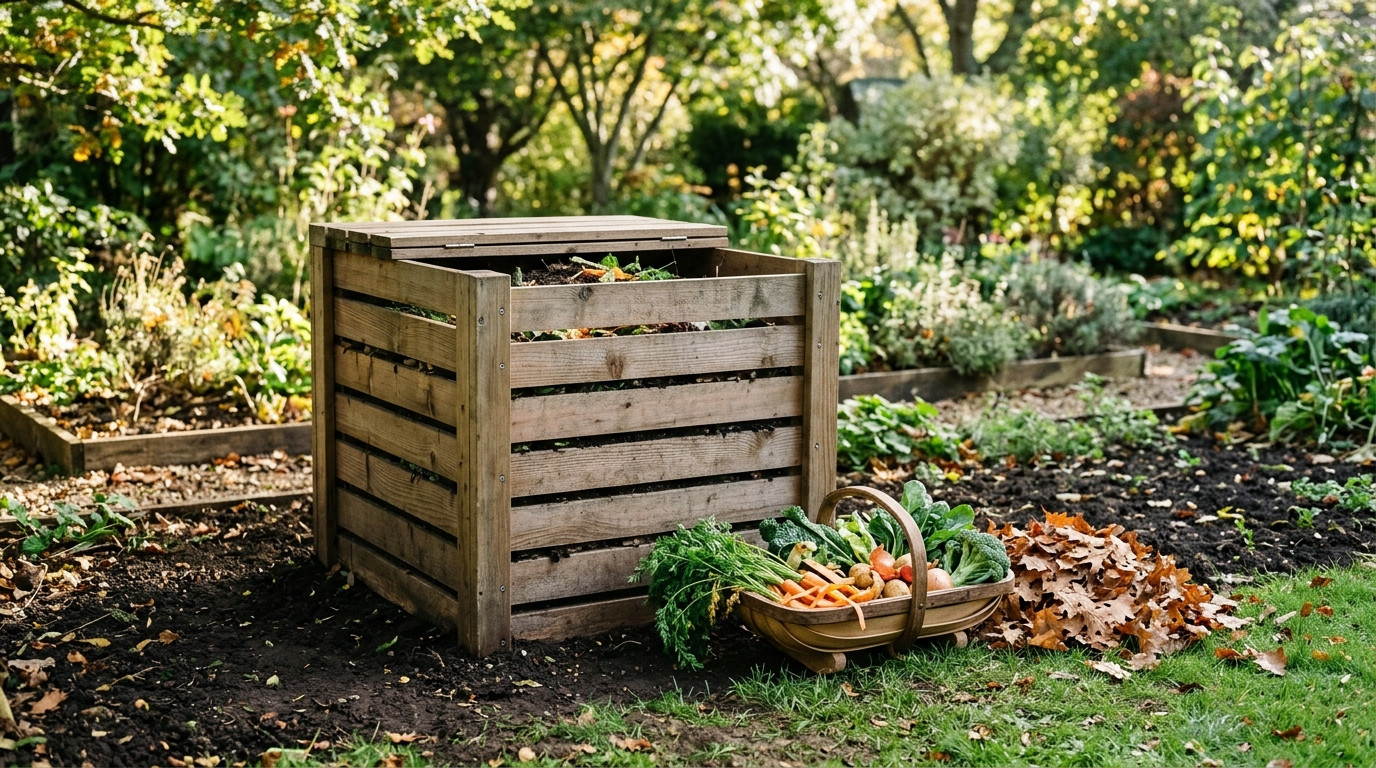
Composting and vermiculture are essential practices for sustainable gardening and waste management. Composting involves breaking down organic waste into a nutrient-rich humus, while vermiculture uses worms to process organic waste into a valuable compost-like product called worm castings. This guide covers the basics of both practices, including the ideal carbon-to-nitrogen ratio, troubleshooting common issues, and proper harvesting techniques.
Composting and Vermiculture Handbook: Quick Scan
- Composting Basics: Understand the carbon-to-nitrogen ratio, proper moisture levels, and climate conditions.
- Vermiculture Basics: Learn about worm bin setup, moisture and temperature management, and harvesting techniques.
- Troubleshooting: Identify and address common issues like odors and pests.
Composting
Carbon-to-Nitrogen Ratio
The carbon-to-nitrogen ratio (C:N) is crucial for composting. A ratio of 25:1 to 30:1 is ideal, meaning that for every gram of nitrogen, there should be 25 to 30 grams of carbon. This balance ensures that microorganisms have enough carbon to break down the nitrogen-containing organic matter, preventing the compost from becoming too acidic and killing the beneficial microorganisms.
Moisture and Climate Conditions
Maintaining the right moisture level is key to successful composting. The ideal moisture content is between 40% and 60%. This can be achieved by ensuring that the materials are evenly moist and by adding water when necessary. Climate conditions also play a significant role. Composting should be done in a warm environment, typically between 55°F and 140°F (13°C and 60°C). This temperature range is ideal for microbial activity, which is necessary for the breakdown of organic matter.
Troubleshooting Odors and Pests
Odors
Odors can occur when the compost pile is too wet or when the carbon-to-nitrogen ratio is off. To address odors, ensure that the compost is aerated and that the moisture levels are balanced. If the pile is too wet, add more dry materials like sawdust or shredded paper. If the C:N ratio is off, adjust the ingredients. For example, adding more nitrogen-rich materials like fresh grass clippings or manure can help balance the ratio.
Pests
Pests like rodents and flies can be problematic. To prevent pest infestations, keep the compost pile covered and turn it regularly to discourage pests from accessing the materials. If pests are already present, consider using barriers like hardware cloth to keep them out. Additionally, ensuring that the compost is at the correct temperature can also deter pests, as they tend to avoid hot compost piles.
Vermiculture
Worm Bin Setup
Setting up a worm bin involves choosing the right container, providing bedding, and selecting the appropriate worm species. The container should be a closed system to prevent the worms from escaping, and the bedding should be rich in organic matter to provide a comfortable environment for the worms. Common worm species for vermiculture include red wigglers and earthworms. The ideal bedding material is a mix of shredded newspaper, coconut coir, and peat moss.
Moisture and Temperature Management
Worms thrive in a moist environment. The ideal moisture level is between 70% and 80%, which can be achieved by keeping the bedding moist and adding water when necessary. Temperature is another critical factor. Worms prefer temperatures between 55°F and 77°F (13°C and 25°C). If the temperature drops below 55°F, the worms may become inactive and may not be able to process the organic matter efficiently. Conversely, if the temperature exceeds 77°F, the worms can die.
Harvesting Techniques
Worm castings are the end product of vermiculture and are highly valued as a soil amendment. To harvest worm castings, the bin needs to be emptied and the castings separated from the bedding. The worm castings can be used as a soil amendment and are rich in nutrients. In contrast, leachate is the liquid that drains from the worm bin and is often used as a fertilizer. However, it can be harmful if not properly managed, so it should be diluted with water before use.
Composting and Vermiculture Handbook: Reference Table
| Factor | Target / Signal | Failure Boundary |
|---|---|---|
| Carbon-to-nitrogen ratio | 25:1 to 30:1 (two parts dry leaves per part greens) | Excess wet greens turns pile sour and attracts flies |
| Worm bin moisture | Damp like a wrung-out sponge (70%–80%) | Standing water drowns worms; dry bedding halts feeding |
| Bin temperature | 55°F to 77°F (13°C to 25°C) | Above 77°F or freezing kills red wigglers |
| Finished castings | Dark, earthy, crumbly texture | Raw anaerobic leachate must be diluted or discarded |
Composting and Vermiculture Handbook: Failure Modes & Who Should Skip This
Composting and Vermiculture Handbook: Composting
- Overly Wet Compost: This can lead to a lack of oxygen and the formation of unpleasant odors. Those who are new to composting should address this issue by ensuring proper aeration and adjusting moisture levels.
- Under-Aerated Compost: This can result in a lack of oxygen and poor decomposition. Those with a basic understanding of composting should address this by regularly turning the compost pile.
- Improper C:N Ratio: This can lead to a lack of nitrogen and the formation of acidic conditions. Those with a basic understanding of composting should address this by adjusting the ingredients.
Composting and Vermiculture Handbook: Vermiculture
- Too Dry Worm Bin: This can lead to the death of the worms. Those with a basic understanding of vermiculture should address this by ensuring the bedding is moist and adding water when necessary.
- Too Wet Worm Bin: This can lead to the death of the worms and the formation of unpleasant odors. Those with a basic understanding of vermiculture should address this by ensuring the bedding is not overly wet and adjusting moisture levels.
- Inadequate Temperature Control: This can lead to the death of the worms. Those with a basic understanding of vermiculture should address this by ensuring the worm bin is kept within the ideal temperature range.
Frequently Asked Questions
What is the ideal carbon-to-nitrogen ratio for composting?
The ideal carbon-to-nitrogen ratio for composting is 25:1 to 30:1. This balance ensures that microorganisms have enough carbon to break down the nitrogen-containing organic matter, preventing the compost from becoming too acidic and killing the beneficial microorganisms.
How do I troubleshoot pests in my compost bin?
To troubleshoot pests in your compost bin, ensure that the container is covered and turned regularly to discourage pests from accessing the materials. If pests are already present, consider using barriers like hardware cloth to keep them out and ensure that the compost is at the correct temperature, as they tend to avoid hot compost piles.
How do I harvest worm castings and leachate?
To harvest worm castings, empty the worm bin and separate the castings from the bedding. Worm castings are highly valued as a soil amendment and are rich in nutrients. Leachate is the liquid that drains from the worm bin and is often used as a fertilizer. However, it can be harmful if not properly managed, so it should be diluted with water before use.